

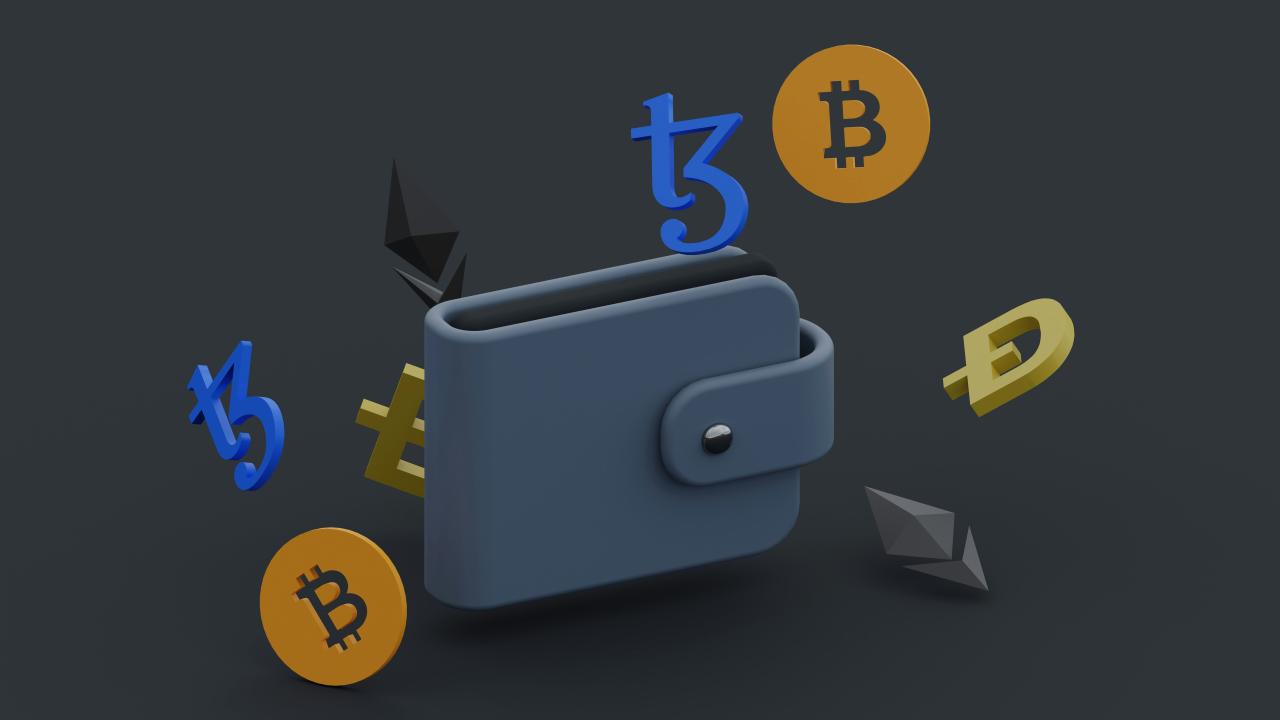
The global financial landscape is currently undergoing a seismic transformation as the traditional barriers between physical assets and digital liquidity continue to dissolve through the power of distributed ledger technology. This revolutionary process, commonly known as the tokenization of Real World Assets (RWA), involves the conversion of rights to a tangible or intangible asset—such as prime real estate, rare art, or high-yield private credit—into a digital token on a blockchain.
By utilizing the inherent security and transparency of cryptographic protocols, investors can now enjoy unprecedented levels of fractional ownership, allowing for the diversification of portfolios into markets that were previously restricted to the ultra-wealthy or large institutional players. The move toward a tokenized economy is driven by a fundamental need for greater market efficiency, reduced settlement times, and the elimination of costly intermediaries that have traditionally hampered the mobility of capital.
As we venture further into this digital frontier, the ability to wrap legal ownership and economic rights into a programmable smart contract is proving to be a game-changer for asset managers and corporate treasurers alike. This integration of the physical and digital worlds is not merely a technical trend but a structural overhaul of how value is perceived, stored, and transferred across international borders in a 24/7 marketplace. For the modern investor, understanding the intricacies of collateralization, regulatory frameworks, and on-chain identity verification is essential for capturing the high-yield opportunities that emerge from this newfound liquidity.
The democratization of high-value assets through tokenization promises to unlock trillions of dollars in stagnant value, creating a more robust and inclusive global financial system. Achieving success in this specialized sector requires a blend of traditional financial acumen and a deep mastery of emerging blockchain infrastructure to navigate the risks and rewards of a token-driven world. By embracing these innovative strategies, individuals and institutions can position themselves at the forefront of the most significant wealth creation event of the modern era.
The transition toward a fully tokenized world is rapidly accelerating as the infrastructure for digital asset custody and legal enforcement becomes more sophisticated. We are moving away from a world of siloed, illiquid physical holdings toward a future of fluid, programmable, and universally accessible wealth. Mastering the mechanics of RWA tokenization is the key to unlocking superior risk-adjusted returns in an increasingly complex economic environment.
Core Strategic Pillars of Asset Tokenization

To build a resilient and high-performing portfolio within the RWA sector, one must move beyond the hype and focus on the structural integrity of the underlying platforms. A fragmented approach often leads to hidden risks, whereas a comprehensive framework ensures that every digital token is backed by a verifiable and legally protected physical asset. The following core strategies represent the essential pillars for successful participation in the emerging tokenized marketplace:
A. Multi-Jurisdictional Legal Compliance Frameworks
B. Decentralized Oracle Integration for Asset Valuation
C. Smart Contract Security and Independent Auditing
D. Institutional Grade Digital Asset Custody
E. Cross-Chain Liquidity and Interoperability Protocols
F. Fractional Ownership and Secondary Market Access
G. Real-Time On-Chain Proof of Reserves
H. Private Credit and Debt Instrument Tokenization
I. Luxury Real Estate and Infrastructure Allocation
J. Sustainable ESG Linked Tokenized Instruments
Multi-Jurisdictional Legal Compliance Frameworks
The most critical challenge in tokenizing physical assets is ensuring that the digital token is legally recognized as a valid representation of ownership. This requires a sophisticated legal structure that bridges the gap between traditional property law and the digital world. Professional platforms often use Special Purpose Vehicles (SPVs) to hold the physical asset, with the tokens representing shares or participation rights in that entity.
Navigating the regulatory requirements of different countries is essential for maintaining global capital mobility. A robust compliance framework includes strict adherence to Anti-Money Laundering (AML) and Know Your Customer (KYC) protocols. By operating within a clear legal boundary, tokenized assets gain the trust of institutional investors and ensure long-term stability for the entire ecosystem.
Decentralized Oracle Integration for Asset Valuation
For a tokenized asset to be traded effectively, its value must be accurately reflected on the blockchain in real-time. Decentralized oracles act as the bridge between off-chain data sources, such as real estate appraisals or commodity prices, and the on-chain smart contracts. This ensures that the token price remains aligned with the actual market value of the physical asset it represents.
Using multiple independent data providers prevents the manipulation of asset prices and provides a more reliable valuation for investors. This cryptographic certainty is vital for using tokenized assets as collateral in other decentralized finance (DeFi) protocols. Reliable data feeds are the lifeblood of a transparent and efficient tokenized marketplace.
Smart Contract Security and Independent Auditing
The smart contracts that manage the issuance, transfer, and redemption of RWA tokens must be virtually impenetrable. Professional developers utilize rigorous coding standards and subject their contracts to multiple rounds of independent security audits. These audits identify potential vulnerabilities that could be exploited by malicious actors, protecting the capital of the token holders.
Security is not a static state but an ongoing process of monitoring and updating the code as new threats emerge. Many high-value platforms also offer bug bounties to encourage the broader developer community to find and report flaws. Investing only in audited and battle-tested protocols is a non-negotiable rule for the elite digital asset manager.
Institutional Grade Digital Asset Custody
Protecting the private keys that control high-value tokenized assets requires a level of security that goes far beyond simple software wallets. Institutional-grade custody involves the use of cold storage solutions, where keys are kept offline in geographically dispersed and highly secure vaults. This prevents digital theft and ensures that assets are always available for the rightful owners.
Many investors choose to work with third-party custodial services that provide insurance and professional oversight for their digital holdings. These custodians are often regulated financial institutions that meet the same standards as traditional banks. Secure custody is the final defense layer for any significant investment in the real-world asset space.
Cross-Chain Liquidity and Interoperability Protocols
The ability to move tokenized assets between different blockchain networks is essential for maximizing liquidity and utility. Interoperability protocols allow a tokenized piece of real estate on one chain to be used as collateral for a loan on another chain. This creates a unified global liquidity pool that increases the value and flexibility of the underlying asset.
Strategic investors look for platforms that support cross-chain standards, ensuring that their assets are not “trapped” within a single ecosystem. This flexibility allows for better price discovery and more opportunities for yield generation across the entire DeFi landscape. Interoperability is the key to creating a truly borderless financial world.
Fractional Ownership and Secondary Market Access
One of the greatest advantages of tokenization is the ability to break down a high-value asset into millions of affordable fractions. This allows an investor to own a small percentage of a skyscraper in London or a rare painting in a New York gallery. Fractionalization democratizes access to wealth-building opportunities that were previously out of reach for most people.
Secondary markets provide the liquidity needed for investors to enter or exit their positions with ease. Unlike traditional real estate or art markets, which can take months to settle, tokenized secondary markets operate 24/7 with near-instant settlement. This liquidity premium significantly enhances the overall attractiveness of the asset class.
Real-Time On-Chain Proof of Reserves
Transparency is a fundamental tenet of the blockchain, and tokenized assets are no exception. Proof of Reserves (PoR) is a cryptographic method that allows investors to verify that the platform actually holds the physical assets it claims to. This data is recorded on-chain, providing a real-time audit that anyone can inspect at any time.
PoR eliminates the risk of “rehypothecation,” where a platform might try to use the same asset to back multiple tokens. It provides a level of accountability that is simply not possible in the traditional opaque financial system. Real-time transparency is the ultimate tool for building long-term investor confidence.
Private Credit and Debt Instrument Tokenization
The tokenization of private credit involves digitizing loans and debt obligations, allowing for more efficient lending and borrowing. This sector provides investors with access to stable, high-yield returns that are often uncorrelated with the broader stock market. By removing the traditional banking intermediaries, more of the interest paid by the borrower goes directly to the token holder.
Tokenized debt instruments can be structured with different risk profiles and durations to suit the needs of various investors. Smart contracts automate the distribution of interest payments, reducing the administrative overhead and potential for error. This efficiency makes private credit one of the fastest-growing areas of the RWA market.
Luxury Real Estate and Infrastructure Allocation
Real estate has long been a favorite asset class for the wealthy, but it has traditionally suffered from high barriers to entry and low liquidity. Tokenization solves both of these problems by allowing for fractional investment and instant trading. Investors can now build a globally diversified real estate portfolio with just a few clicks.
Infrastructure projects, such as solar farms or toll roads, can also be tokenized to provide steady, long-term cash flows. These assets are often backed by government contracts or essential services, making them highly resilient during economic downturns. Allocating to tokenized physical infrastructure provides a solid anchor for any growth-focused portfolio.
Sustainable ESG Linked Tokenized Instruments
Environmental, Social, and Governance (ESG) factors are becoming a primary driver of investment decisions for both individuals and institutions. Tokenization allows for the creation of assets that are directly linked to positive social or environmental outcomes. For example, carbon credits or green bonds can be tokenized to provide a transparent and efficient way to fund sustainability projects.
These instruments often come with specialized reporting features that allow investors to track the impact of their capital in real-time. This alignment of financial return with ethical values is a major trend in the modern wealth management landscape. Sustainable tokenization ensures that your portfolio is contributing to a better future for everyone.
The Rise of the Programmable Economy
The tokenization of real-world assets is the first step toward a fully programmable economy. In this future, every piece of value—from your house to your data—will be represented by a digital token that can interact with other tokens. This will lead to an explosion of innovation as new financial products and services are built on top of this programmable foundation.
The speed and efficiency of this new system will drive a massive increase in global productivity and wealth. We are moving toward a world where transactions happen at the speed of thought and capital is never idle. Embracing RWA tokenization today is an investment in the foundational infrastructure of tomorrow.
Strategic Terminology and Industrial Frameworks
To navigate the RWA space effectively, one must be familiar with the specialized terminology used by industry leaders. Terms like “Asset-Backed Tokens,” “Security Token Offerings (STOs),” and “Liquidity Mining” describe the specific tools used to create and distribute value. Understanding the technical nuances of these terms allows for more informed decision-making and risk assessment.
Furthermore, the concept of “Total Value Locked” (TVL) is a key metric for measuring the health and adoption of a tokenization platform. High TVL indicates that a large amount of capital has been committed to the protocol, suggesting a high degree of trust and utility. Monitoring these metrics is essential for identifying the most promising opportunities in the market.
Conclusion

Real-world asset tokenization is fundamentally reshaping the global financial landscape. Traditional physical assets are being transformed into liquid digital instruments through blockchain technology. This structural shift allows for unprecedented fractional ownership and market accessibility. Transparency and security are the foundational pillars of any successful tokenization strategy.
Investors can now access high-yield opportunities in real estate, private credit, and infrastructure. The elimination of intermediaries results in higher efficiency and better returns for the token holder. Regulatory compliance is the key to bringing institutional capital into the digital asset space. The rise of secondary markets provides the liquidity needed for a 24/7 global economy. Strategic diversification into RWAs offers a powerful hedge against traditional market volatility. The future of wealth management is digital, decentralized, and anchored in real-world value.

